

 Schedule a Site Visit
Common Causes of Chimney Leaks and How to Prevent Them
- Details
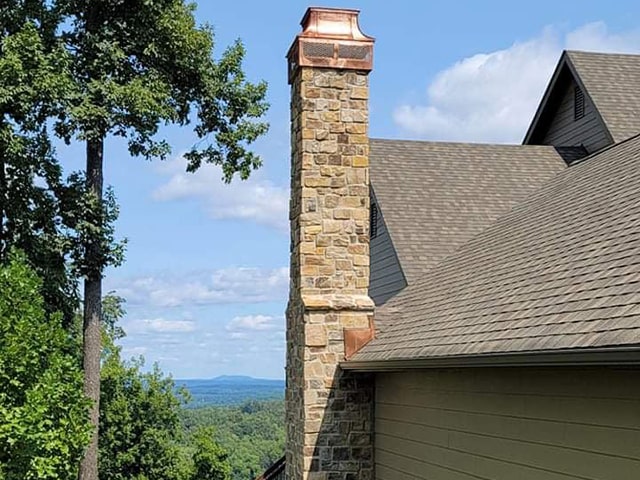
All types of weather and various factors can affect your chimney. An annual chimney inspection is recommended to identify any potential issues or leaks before repairs become costly. A leaking chimney is more than an inconvenience and can lead to significant damage.
Water intrusion around the chimney can cause rotting wood, stained ceilings, and even structural issues if left unchecked. Knowing the common causes, signs of chimney leaks, and taking preventive steps can help protect your home and avoid costly repairs.
When Chimney Leaks Are Most Common
Chimney leaks tend to appear during heavy rains, winter snow and ice, and spring thaw. Moisture combined with fluctuating temperatures can quickly worsen even small defects in the chimney’s structure, turning minor cracks into major problems.
Why Do Chimneys Leak?
Historically, brick was manufactured to be watertight and load-bearing. But over the past 35 to 45 years, to compete with modern siding products, many brick manufacturers began marketing their products as "veneers." In this transition, watertightness was lost. Today’s bricks often absorb water rather than repel it—something you can easily see by spraying a water bottle on a sunny day and watching the water soak in.
Because modern brick construction doesn’t inherently resist water, moisture management methods like through-wall flashing are now critical. Every new chimney should include through-wall flashing that extends into the chimney and turns up the sides of the flue to divert water away from vulnerable areas.
Common Causes of Chimney Leaks
There are several reasons why chimneys leak, and most involve aging materials, poor installation, or weather-related wear and tear. While some issues are obvious, others can go unnoticed until significant damage occurs. Below are the most frequent causes of chimney leaks.
1. Inadequate or Missing Chimney Flashing
Flashing is the metal installed where the chimney meets the roof. It’s supposed to form a watertight barrier, but when flashing is rusted, pulled away, or installed improperly, water can easily enter.
Today, best practices include cut-in reglets—slots ½” to ¾” deep cut into mortar joints—sealed with high-quality sealant. However, if water migrates behind the sealant, it may release over time, making full flashing systems even more important.
2. Cracked or Deteriorated Chimney Crown
The crown protects the top of the chimney from water entry. Over time, it may crack or shrink, allowing water to seep into the masonry. If not corrected, this can cause moisture to enter your attic or ceiling, leading to further structural issues.
3. Worn or Missing Masonry Joints
Mortar joints between bricks or stones naturally deteriorate after years of exposure to the elements. Once gaps form, water finds its way inside, and during freezing weather, it expands and worsens the damage. What starts as a small leak can escalate into widespread masonry failure if left unchecked.
4. Faulty or Missing Chimney Cap
A chimney cap is essential in keeping water, debris, and animals out of your flue. If the cap is missing, damaged, or improperly fitted, rain can pour directly into the chimney. This often leads to rusted dampers, mold growth, and damaged masonry inside the system. Leaves and other debris can also fall into an uncapped chimney, creating blockages that restrict airflow. As part of basic preventive maintenance, making sure your chimney has a properly installed cap is a simple but important step in protecting your home.
5. Condensation Inside the Flue
Poorly insulated chimneys, especially those venting gas appliances, are prone to condensation problems. Moisture collecting inside the flue can corrode the liner and eventually cause leaks that affect not just the chimney but nearby walls and ceilings.
How to Prevent Chimney Leaks
Most chimney leaks can be avoided with regular maintenance to address any issues early, before signs of water damage appear, which can save time, money, and stress. Here are the most effective ways to keep your chimney sealed and dry throughout the year.
Schedule Regular Inspections
Annual roof inspections are one of the simplest ways to prevent leaks. A certified roofing professional can spot early warning signs like hairline cracks, missing mortar, or loose flashing before they become expensive repairs.
Install Through-Wall Flashing
Through-wall flashing is the most effective way to keep moisture out of today’s less watertight brick. It should be installed during construction and extend in and up the flue to redirect water away from the structure.
Use Properly Cut and Sealed Reglets
Cut-in reglets that are sealed with quality, flexible sealant can help protect flashing from water intrusion. However, they must be installed properly to reduce the risk of moisture behind the sealant.
Install a Quality Chimney Cap
Installing a durable chimney cap is a small investment that goes a long way in preventing major water damage. Look for a cap made from stainless steel or copper to resist rust and withstand harsh weather.
Maintain and Repair Flashing
Flashing issues are one of the most common sources of chimney leaks. If you notice water stains near your chimney or see flashing pulling away from the roofline, schedule repairs right away. Professional resealing or full flashing replacement can prevent long-term water infiltration.
Repair or Rebuild the Chimney Crown
Addressing a cracked chimney crown early can save you thousands in future repairs. For crowns with minor cracking, waterproof sealants can extend their lifespan. In more serious cases, a full rebuild may be necessary to ensure lasting protection against moisture.
Roof Services in Central Virginia
Contact our Central Virginia roofing company for all your roofing or gutter needs by calling (434) 979-0501 or completing the online form to schedule a site visit. With over 37 years of experience serving the local community, our Blue Ridge Roofing, Inc. team is your trusted partner in roofing and guttering solutions.