

 Schedule a Site Visit
Why is Roof Flashing Important?
- Details
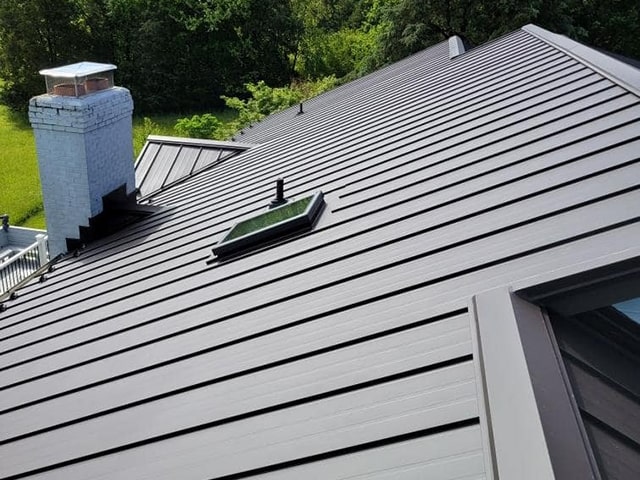
Roof flashing protects against leaks and is a vital part of your roofing system. While it is only one component of your roof, it is an essential part to maintain and protect against water damage. Our roofing experts explain how flashing protects your home and the importance of repair or replacement if there are any signs of damage.
What Is Roof Flashing?
Flashing is a thin piece of metal—usually aluminum, galvanized steel, or copper—installed around joints, edges, and openings on the roof. You’ll find it where the roof meets a wall, around chimneys, at valleys, and around vents or skylights. It acts as a seal between gaps of roofing material and other parts of the home to direct water away and toward the gutters.
Roofing shingles handle most of the water that hits your roof, but they can’t seal every gap on their own. Flashing acts as a second layer of protection to keep moisture out of vulnerable areas.
Why Roof Flashing is Important for Your Home
Flashing helps prevent leaks, mold, rot, and damage to your roof deck and interior. Water that gets behind flashing can go unnoticed for a while, leading to bigger issues later on. That’s why quality flashing is just as important as quality shingles.
If flashing is missing, poorly installed, or damaged, you may notice water stains inside your home, wood rot along eaves, or even damaged insulation. Addressing flashing issues early can save you time and money.
Here’s what proper flashing helps prevent:
- Water seeping behind siding or into roof joints
- Rot around chimneys, dormers, and roof valleys
- Mold or mildew in the attic
- Damage to ceilings and walls
Common Types of Roof Flashing
There are several types of flashing, each designed for a specific part of your roof. A solid roofing system includes a combination of these:
- Step flashing: Installed where a sloped roof meets a vertical wall (like a dormer)
- Valley flashing: Runs through the valleys between roof slopes to guide water down
- Vent pipe flashing: Fits around plumbing vents that come through the roof
- Drip edge flashing: Installed along the roof edge to keep water from getting behind the fascia
- Chimney flashing: Seals the base of the chimney to prevent leaks where it meets the roof
Does Flashing Get Replaced When You Get a New Roof?
In most cases, roof flashing should always be replaced when getting a new roof. It’s important to work with a contractor who doesn’t cut corners. When we install a new roof, we inspect all components of your roofing system, ensuring all new material is in pristine condition. Flashing might not be the most visible part of the roof, but it’s a key component to protect your home.
Does Flashing Need Maintenance?
While flashing doesn’t require much upkeep, it’s smart to include it in routine roof inspections. Flashing can become loose or deteriorate over time, especially after heavy wind or ice storms. Look for these signs:
- Rust or corrosion
- Gaps where flashing meets the roof or wall
- Cracked caulking
- Water stains on ceilings or attic rafters
If you see any of these issues, it’s a good idea to have a roofer take a closer look. Flashing may not be the first thing you think of when talking about roofs, but it does a lot of work. If it’s not doing its job, your roof won’t hold up the way it should.
Roof Installation and Inspection Services in Central Virginia
Contact our Central Virginia roofing company for all your roofing or gutter needs by calling (434) 979-0501 or completing the online form to schedule a site visit. With over 38 years of experience serving the local community, our Blue Ridge Roofing, Inc. team is your trusted partner in roofing and guttering solutions.